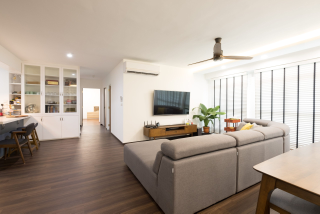
Minimalism is more than an aesthetic — it's a design discipline that trades ornament for space, light and calm. In land-scarce Singapore, it's also the most practical way to make every square foot work harder.
Principles that make minimalism work
True minimalist homes follow three rules: a restricted palette (two or three tones, used consistently), concealed storage (handle-less, full-height, wall-to-wall), and considered lighting (cove lights and hidden LED strips over statement fittings). The result reads effortless, but it is the most planning-intensive style to execute.
Minimalism ≠ empty
A common misconception is that minimalist homes feel sterile. Texture does the heavy lifting: matte micro-cement walls, honed stone, brushed timber and soft linens keep a pared-back space feeling human.
Cost guide
Because the style depends on precise carpentry and seamless finishes, expect $35,000–$65,000 for a 4-room HDB and more for condos and landed homes. Poor workmanship has nowhere to hide in a minimalist space — this is a style worth paying for experienced contractors.
Where to start
Begin with decluttering math: list what must be stored, then let your designer size the joinery around it. See minimalist portfolios on The Home Blueprint, or take our free quiz to get matched with a specialist.